
Things to do in Santa Marta's historic centre
The things to do in Santa Marta covered here bring together colonial streets, the cathedral, Bolívar's final residence and regional food. Santa Marta stands on Colombia's Caribbean coast at the foot of the Sierra Nevada. Its historic centre offers a city introduction distinct from a day in Tayrona or a journey into the mountains.
Choose the private city tour for the Gold Museum and Quinta admissions with hotel transport; choose a food walk for tastings and an introduction to local dishes. The seven-hour city visit and the three to four-hour food outings serve different interests, so reserve time for the experience rather than trying to fit every stop into one walk.
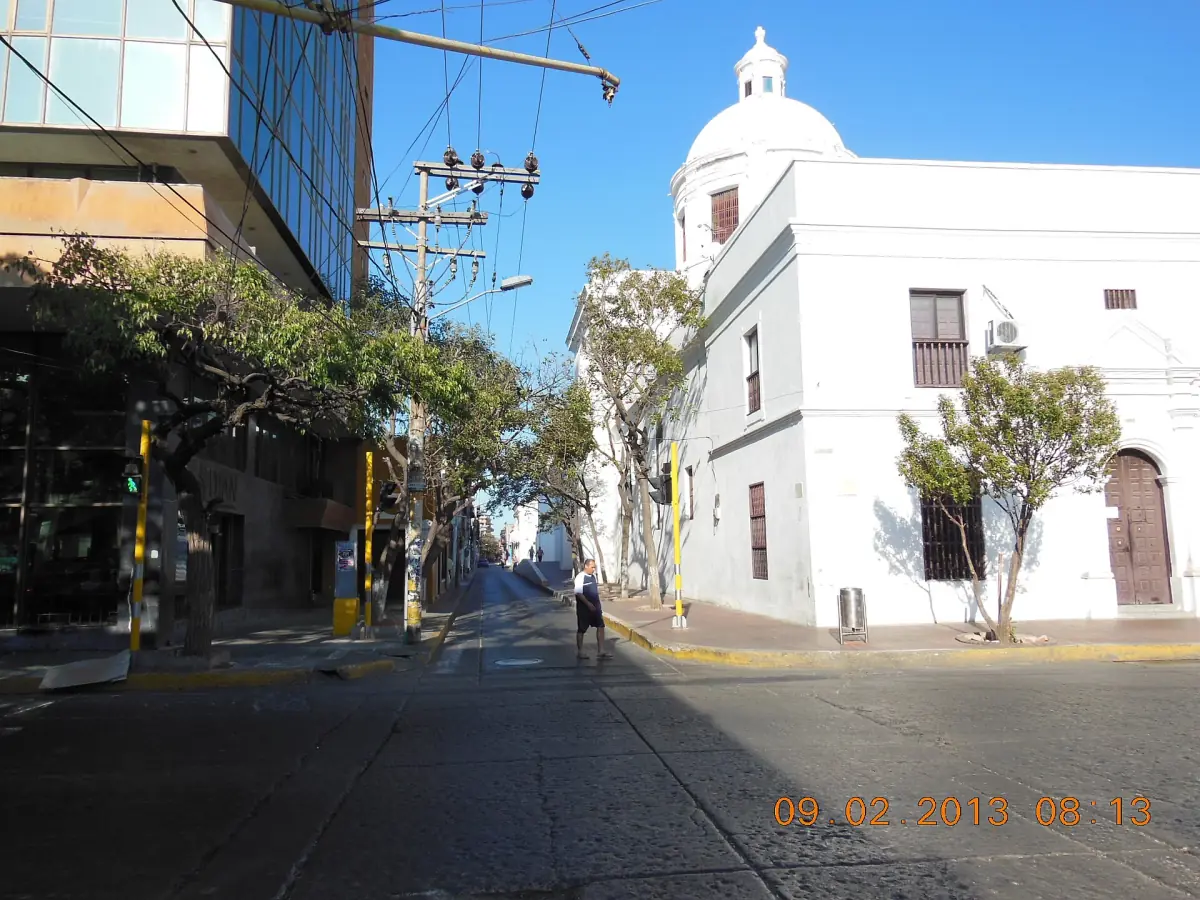
Explore Santa Marta
A private city tour includes the Gold Museum and Quinta entries. Food walks offer guided tastings of regional dishes and drinks.
Hand-picked tours, booked through GetYourGuide and Viator. Prices are indicative starting prices in US dollars (as of November 2026). Tap a tour for live availability and the current price in your currency.
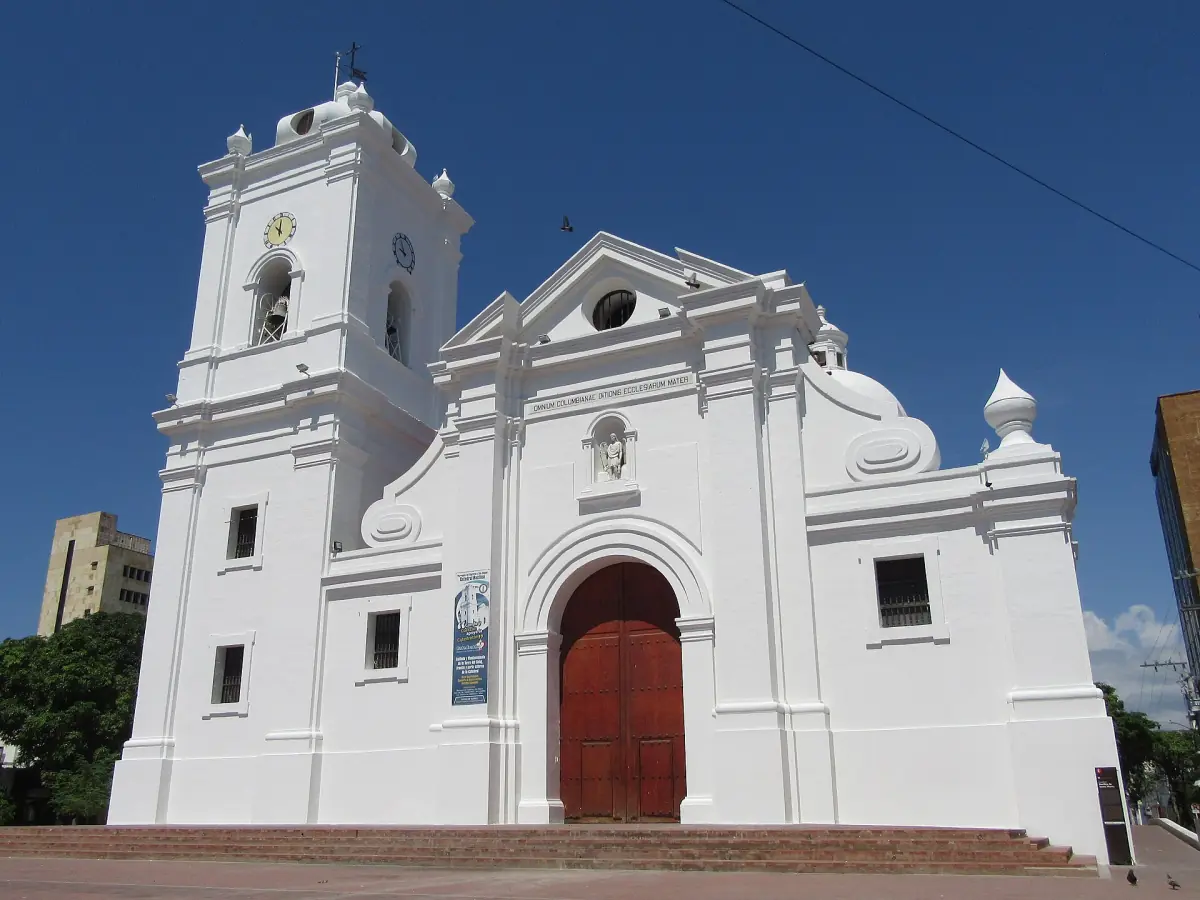
Private Santa Marta city tour
- Entry to Tayrona Gold Museum
- Entry to Quinta de San Pedro Alejandrino
- All-risk insurance
This private city tour includes a guide and gastronomic experiences.
Check availability →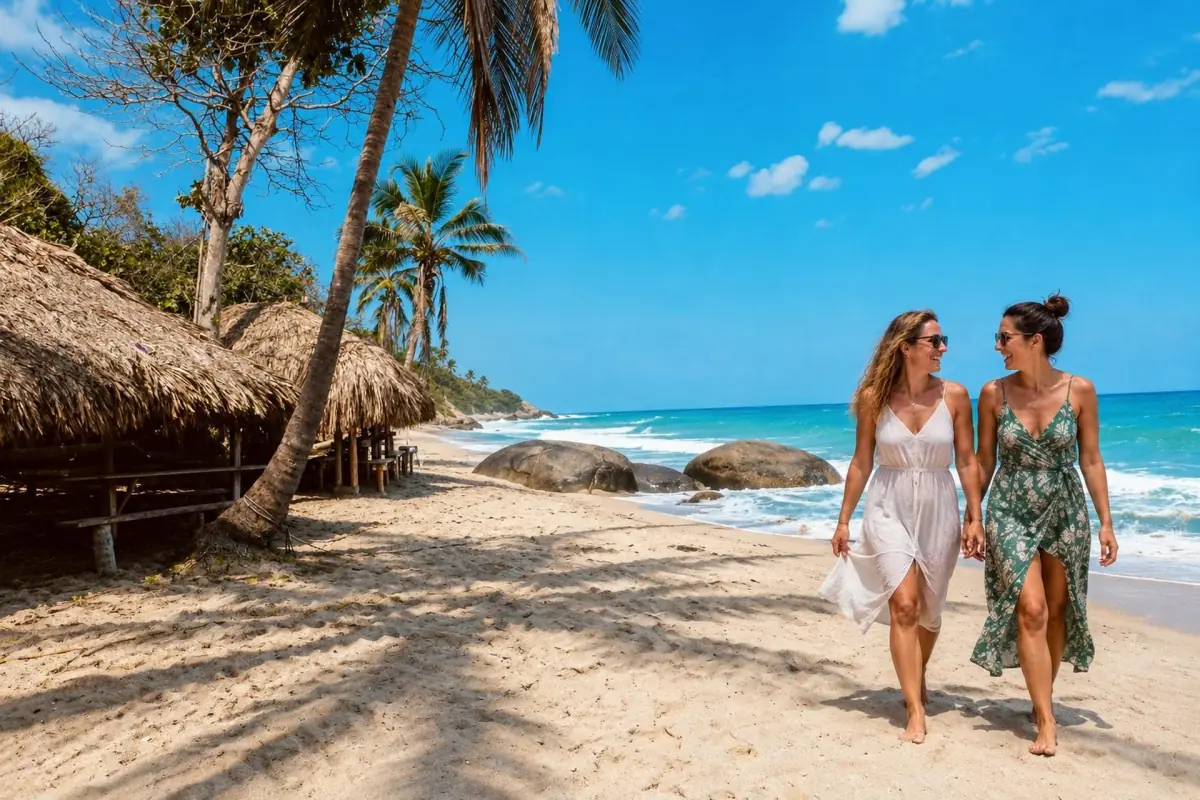
Santa Marta food tasting walk
- Natural fruit juice
- Colombian coffee tasting
- Traditional Caribbean food samples
A local bilingual guide leads the walk, with samples at seven food and drink stops.
Check availability →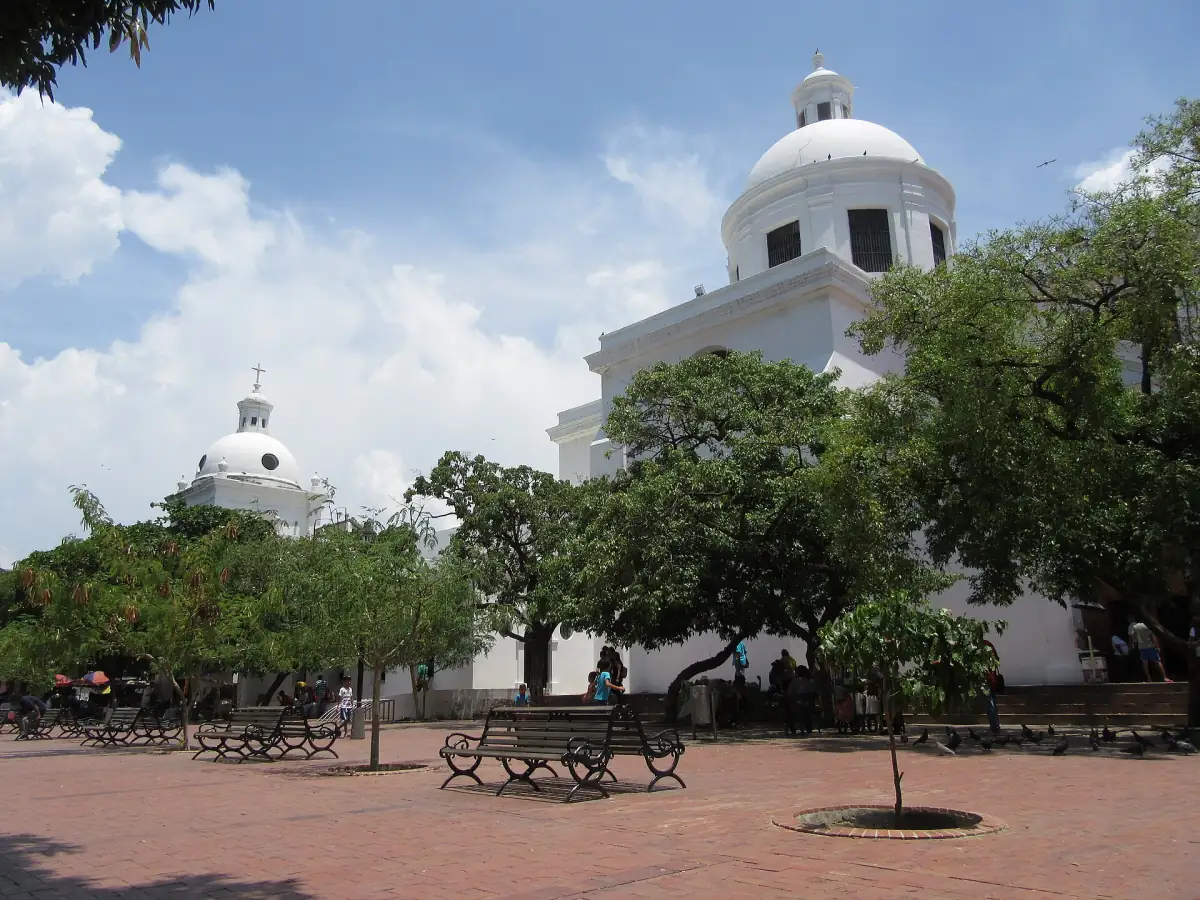
Regional food tasting in Santa Marta
- Typical food and drink samples
- All risk insurance
A guide accompanies this food outing, with hotel pickup and return included.
Check availability →City history and Caribbean flavours
Choose a private museum visit with hotel transport or a food outing built around regional tastings.
Santa Marta's foundation and Bolívar
Santa Marta was founded on 29 July 1525 by Rodrigo de Bastidas, while Simón Bolívar's connection centres on his final days in 1830. The two histories belong to different periods and give the city walk and the Quinta visit different points of reference.
Bolívar arrived in Santa Marta on 1 December 1830, moved to the Quinta on 6 December and died there on 17 December. His burial in the cathedral and later transfer to Caracas connect the historic centre with the residence. A visit can follow that relationship without treating every colonial building as a Bolívar site.
The cathedral and Casa de la Aduana
Santa Marta's cathedral and Casa de la Aduana are landmarks for a walk through the historic centre, alongside Parque de Bolívar and Parque de los Novios. The cathedral holds the remains of city founder Rodrigo de Bastidas. Allow the squares and surrounding buildings to form the city portion of the day.
For a cathedral interior visit, establish the visitor arrangements locally and respect religious use. Keep that stop flexible rather than attaching a fixed admission price or tourist timetable to the whole walk. A private tour offers a different format from joining a tasting walk at a city meeting point.
The Quinta and contemporary art
Quinta de San Pedro Alejandrino combines a historic hacienda, contemporary art museum and botanical garden. The Museo Bolivariano was founded on 24 July 1986; that date belongs to the art institution, not the construction of the hacienda.
For independent visits, the 2026 tariff for foreign visitors aged 13 and over is 30,000 COP, approximately 9.05 USD. This is a comparison conversion made on 14 November 2026 at 3,316.70 COP per USD, with that exchange rate valid from 14 to 17 November; the local price is in COP. Other age and nationality categories have separate tariffs.
The 2026 low-season ticket office operates from 09:00 to 16:30, with rooms closing at 17:00. In high season the office operates from 08:30 to 17:00, with rooms closing at 17:30. The museum sets the high-season dates. The opening schedule excludes 1 January; on 24 and 31 December the ticket office operates from 08:30 to 13:30. Avoid flash, leave objects untouched, do not feed animals and enter the forest only with institutional accompaniment.
Walking tours and food tastings
The Santa Marta food walk meeting at San Francisco Church includes seven food and beverage stops, a bilingual local guide, fruit juice and Colombian coffee tasting. Samples can include cayeye, arepas, cocadas and patacones. Meet by the church's main entrance on Plaza de San Francisco and arrive ten minutes early.
The other three to four-hour food outing includes regional food and drink samples, a guide, insurance and hotel pickup and drop-off. The private seven-hour city tour instead includes the Gold Museum and Quinta admissions, gastronomic experiences, insurance and hotel transport; lunch and extra purchases are separate. Choose food outings for their tastings rather than assigning them the museum programme of the city tour.
Use the accommodation area guide to relate a meeting point to your base. For the mountains and coast beyond the city, continue to Santa Marta excursions.
Continue planning your city stay
Santa Marta city visits connect with the choice of accommodation and excursions beyond the centre.
Questions about Santa Marta city visits
What does the private city tour include?
The private Santa Marta city tour includes hotel pickup and drop-off, a guide, Gold Museum admission, Quinta de San Pedro Alejandrino admission, gastronomic experiences and insurance. The visit lasts seven hours. Lunch and extra purchases are separate, making it useful to distinguish the included tasting experiences from a full meal.
Where does the seven-stop food walk begin?
The seven-stop Santa Marta food walk begins at the main entrance of San Francisco Church on Plaza de San Francisco in the historic centre. Arrive ten minutes early to meet the guide. The outing lasts three to four hours and includes regional samples, fruit juice, coffee tasting and a bilingual guide.
How does the Quinta differ from an old-town walk?
The Quinta combines Bolívar's final residence with contemporary art and a botanical garden, while an old-town walk focuses on Santa Marta's cathedral, squares and historic buildings. Treat the Quinta as a separate visit within your day. The museum's 1986 foundation date describes the art institution rather than the age of the hacienda.