
Choosing the best time to visit Santa Marta
The best time to visit Santa Marta depends on whether your main plan is a coastal outing, Tayrona visit, Minca stay or Ciudad Perdida trek. December to April is the tourism recommendation for Santa Marta. Treat that period as a starting point for choosing dates, then consider the particular activity and the park calendar.
Santa Marta weather information describes the coast, while Minca lies in a climatic transition towards the mountains. A month that suits a city stay does not settle the conditions for a mountain route or a day at sea. Give the main excursion its own place in the itinerary, rather than using one seasonal label for the whole region.

Coastal weather in historical context
Santa Marta's historical WMO weather table, supplied by IDEAM, covers 1971 to 2000 and illustrates a relatively drier December-to-April period. These old observations describe a seasonal pattern, not a current forecast or a recent climate normal. Keep the period attached to any figures taken from the table.
In the 1971 to 2000 series, March has a mean daily maximum of 33.7°C, a mean daily minimum of 23.7°C and mean monthly rainfall of 2 mm. October has corresponding temperature means of 31.6°C and 23.7°C, with 114 mm mean monthly rainfall. The temperature values are averages of daily highs and lows, not records or a prediction for a particular day.
Use the historical contrast to shape the type of itinerary you want, while consulting the forecast for the actual visit. A month with low historical rainfall can still require changes to an outing. Coastal rainfall figures also do not describe the final approach to every mountain accommodation.
A weather-dependent boat trip
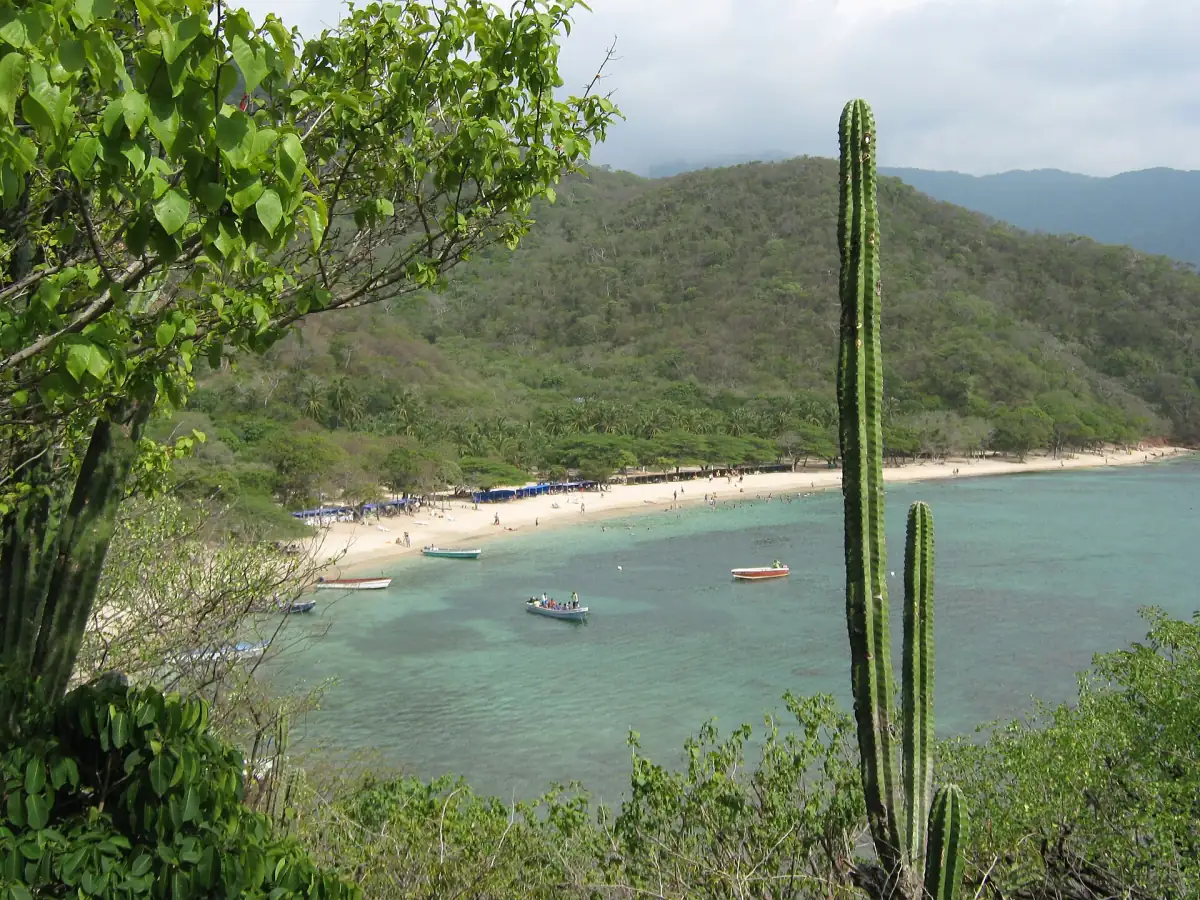
This Tayrona boat outing is an idea for your visit when conditions allow, with park entry included.
Hand-picked tours, booked through GetYourGuide. Prices are indicative starting prices in US dollars (as of November 2026). Tap a tour for live availability and the current price in your currency.
A coastal outing for suitable conditions
The Tayrona boat excursion combines park admission, lunch and snorkelling equipment; plan the sea day around current conditions.
Drier months and boat conditions
December to April is a useful tourism planning window for Santa Marta, but it does not promise calm seas or uninterrupted sunshine. For a boat day, sea conditions matter alongside rainfall. Keep a land-based option in your itinerary and follow the day's instructions on swimming areas, flags and embarkation.
The selected eight-hour Tayrona boat outing includes marina fees, insurance, park entrance, lunch, fruit and chips, bottled water, a lifejacket and snorkelling equipment. Other drinks are sold on board, and bringing your own drinks is excluded. The equipment provides an activity option when conditions allow; it does not determine a swimming clearance.
The boat tour guide compares coastal outing formats. A sea warning issued on 12 September 2026 expired on 14 September 2026. That dated event belongs to the past and should not guide a November departure as though it were a live forecast. Use the marine information for the day of your trip.
Tayrona rest periods and access planning
Tayrona's autumn rest period ran from 19 October to 2 November 2026, with reopening announced for 3 November in the park notice dated 2 November 2026. Keep those dates attached to that year's announcement. The reopening announcement is a reason to check the route planned for your visit, rather than to assume every path has identical access arrangements.
The documented rest-calendar windows are 1 to 15 February, 1 to 15 June and 19 October to 2 November; use them in their documented calendar context rather than carrying them into later years. Establish the park calendar for your own dates before committing to travel around a particular entrance.
As of November 2026, route planning should also account for the Kogui path and Bahía Concha access measures introduced by the resolution of 4 March 2026, effective 5 March. Obtain the current route arrangement for the intended sector. Use marked paths and permitted swimming zones, obey red flags, and use the Tayrona planning guide for the distinction between coastal routes.
Ciudad Perdida and Minca
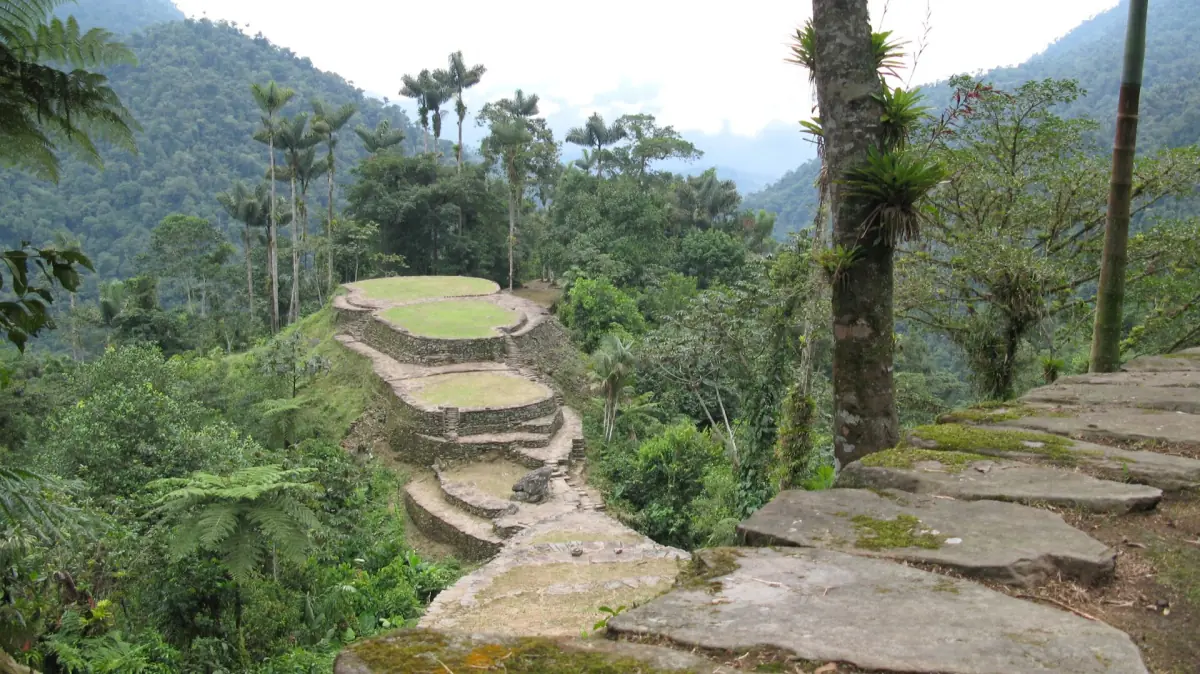
Ciudad Perdida's 2026 October rest period ended on 15 October, with reopening on 16 October announced in the ICANH notice of 9 October 2026. Teyuna is the archaeological park in the Sierra Nevada, separate from the Tayrona coastal park. Its calendar therefore needs its own place in your planning.
The selected Ciudad Perdida treks last four days. Access requires a certified guide and advance reservation through an authorised agency, so choose trek dates alongside the arrival and onward journey. For Minca, consider the mountain setting and the conditions for the specific walk or waterfall visit instead of extending Santa Marta's coastal weather figures to every slope and property.
Match the season to the outing
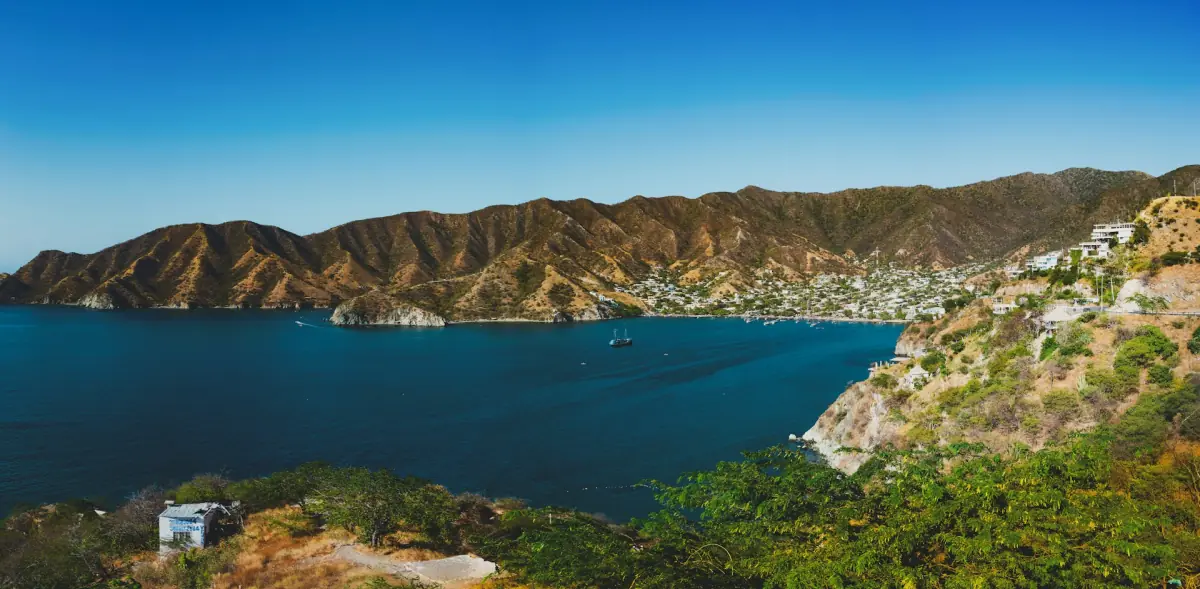
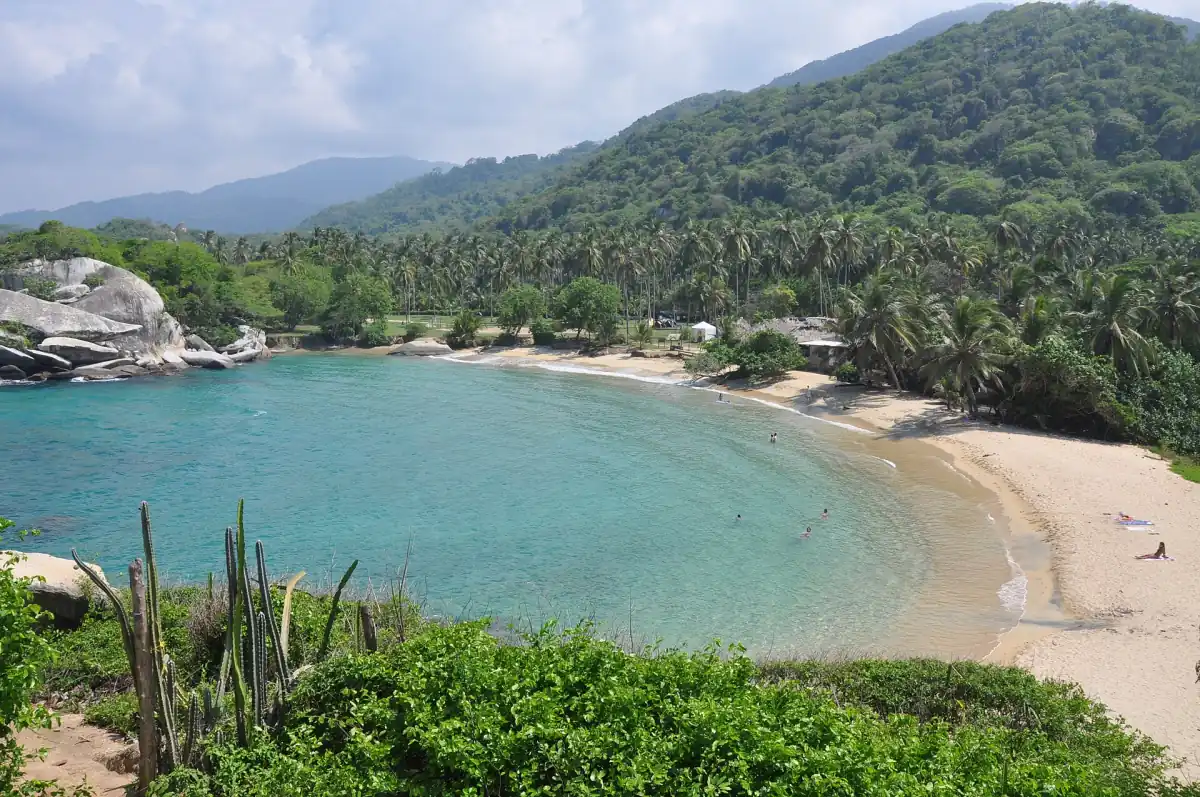
Santa Marta excursions require different planning for a sea day, coastal park visit or mountain trek.
Questions about dates and weather
Which months are recommended for Santa Marta?
December to April is the tourism recommendation for Santa Marta and fits the relatively drier pattern in the historical coastal weather table. The recommendation is not a promise of sunshine, calm water or boat departures. Consider the particular activity, the marine forecast and the relevant park calendar when fixing your travel dates.
What period do the weather figures describe?
1971 to 2000 is the historical period behind the WMO and IDEAM coastal figures used here for Santa Marta. Monthly high and low temperatures are means of daily maxima and minima; rainfall is a mean monthly total. Use those figures as historical context and obtain a forecast for your actual trip.
Do Tayrona and Ciudad Perdida share a closure calendar?
No, Tayrona and Teyuna are separate parks with distinct notices. Tayrona's autumn 2026 reopening was announced for 3 November, while ICANH announced Ciudad Perdida's reopening for 16 October 2026. Keep those dated announcements separate, establish the calendar for your travel year and arrange the route for the particular park you will visit.